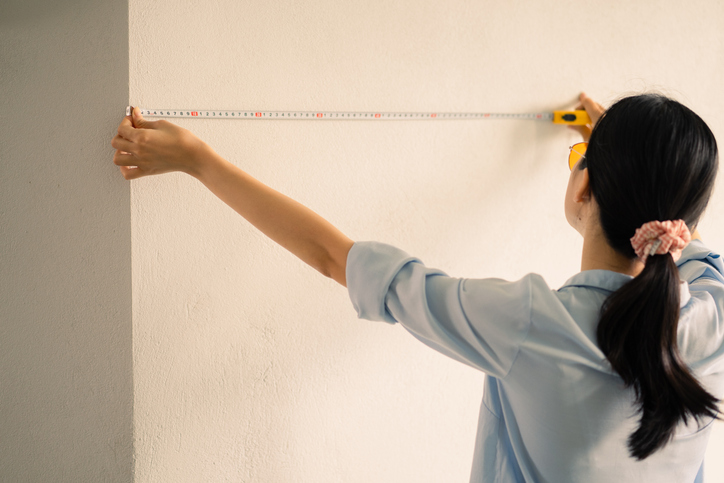
Planning a move usually starts with boxes, packing tape, labels, and scheduling. While those details matter, another part of moving preparation often gets overlooked: measurements.
Many homeowners and renters measure rooms to decide where to place furniture. They may measure a couch, dining table, mattress, or bedroom set to see if it fits in the new space. But furniture does not simply appear in the room where it belongs. It has to pass through doors, hallways, staircases, landings, elevators, porches, and other access points first.
That is where many moving-day problems begin.
A couch may fit perfectly in the living room, but not fit through the front door. A king mattress may fit in the bedroom, but it gets stuck on a stair turn. A dining table may clear the doorway but not make it around a tight corner. These issues can slow the move, increase labor time, raise the risk of damage, and create stress on an already busy day.
For homeowners in Pittsburgh and the South Hills, measurements are especially important. Many homes in the area have older layouts, narrow staircases, tight entryways, split-level designs, and multi-story floor plans. Taking a few measurements before moving day can help you and your movers plan, avoid surprises, and keep the process moving as smoothly as possible.
Most moving-day challenges do not happen because someone forgot to pack a box. They often occur because a large item cannot move through the home as everyone expected.
Common examples include:
When these situations happen on moving day, they can affect the entire schedule. Movers may need to stop and reassess the path. Furniture may need to be disassembled. Doors may need to be removed from hinges. In some cases, an alternate entrance may be needed.
These adjustments take time. They can also increase the risk of scuffs, dents, scratches, or damage to walls, door frames, railings, floors, and furniture.
Measuring ahead of time helps prevent many of these issues. It gives your moving company more information before the truck is loaded. It also helps you make better decisions about what furniture should go, what may need to be taken apart, and what may require extra planning.
For anyone searching for a moving company that South Hills residents can rely on, preparation is one of the most important signs of a professional moving experience. A good mover does more than carry furniture. They help identify access challenges before they become moving-day obstacles.
Most people remember to measure two things: the furniture and the room.
Those are important measurements. Before moving a large item, you should know its width, height, and depth. This is especially true for sectionals, sofas, armoires, desks, appliances, dining tables, dressers, and mattresses.
You should also measure the room where the item will go. This helps you decide whether the furniture will fit in the space and leave enough room for walking paths, doors, drawers, and other furniture.
However, these measurements only answer one question: will the item fit once it gets there?
They do not answer the equally important question: whether the item can get there or not?
To answer that, you need to measure the path from the moving truck to the final room. That path may include exterior gates, steps, porch entrances, front doors, hallways, staircases, landings, elevators, and tight corners.
This is the part many people forget.
Doorways are among the first places where moving problems occur. A few inches can make the difference between a smooth carry and a difficult situation.
Before moving day, measure the width and height of all important doorways. This includes:
It is important to measure the actual usable opening, not just the door itself. Door frames, trim, hinges, handles, and storm doors can all reduce the available space. In some cases, removing a door from its hinges may create the extra clearance needed. In other cases, the opening may still be too tight.
Basement entrances deserve special attention. Many Pittsburgh-area homes have basement access points that are narrow, angled, or located under porches or stairways. If you are moving a washer, dryer, freezer, workbench, or storage furniture into or out of a basement, this measurement matters.
Interior doors can also create issues. A couch may get through the front door but still fail to fit through the doorway into a den, finished basement, or upstairs bedroom. Measuring every door along the route helps you avoid a false sense of security.
Hallways are easy to overlook because they seem simple. If a hallway looks wide enough to walk through, many people assume furniture can pass through it, too. That is not always the case.
Large furniture often needs to be tilted, rotated, or pivoted while it is being carried. A hallway that is technically wider than the furniture may still be difficult if there is not enough room to turn.
Measure the width of the hallway, but also look at the spaces around it. Pay close attention to:
The key question is not only whether the item can move straight through the hall. The question is whether movers will have enough room to angle the item safely.
This is especially important for sectionals, long sofas, dining tables, bed frames, and large dressers. These pieces may need to rotate at a corner or pivot through a doorway. If the hallway is narrow and the turn is tight, the item may not have enough clearance.
Before moving day, take photos of any tight turns or narrow hallways. Share them with your movers along with measurements. Photos can help a moving crew understand the layout before they arrive.
Staircases are one of the most important areas to measure before a move. They are also one of the most common sources of moving-day delays.
In Pittsburgh and the South Hills, many homes have staircases that were not designed with today’s oversized furniture in mind. Older homes may have narrow stairs, low ceilings, compact landings, or sharp turns between floors. Split-level homes may require furniture to move through several short stair runs, each with its own turn.
A large item can fit through the front door and still become trapped on the stairs. That is why stair measurements should include width, landing space, and overhead clearance.
Measure the usable width of the staircase from wall to railing or wall to wall. Do not forget to account for handrails, trim, banisters, or decorative features that reduce the available space.
Some furniture can be carried at an angle, but there still needs to be enough room for both the item and the movers handling it. Narrow staircases make this more difficult and may require extra planning.
Items that commonly create stair-width challenges include:
If the item barely fits on paper, it is worth discussing the situation with your moving company before moving day.
Landings are another area people often forget to measure. A landing may look large enough until a long couch, mattress, or dresser needs to be turned on it.
Measure the length and width of each landing. Also consider the direction the item needs to rotate. A piece of furniture may fit on the landing but not have enough room to change direction.
This is common in homes with staircases that turn between floors. The furniture may need to move up one flight, pivot on the landing, then continue up the next flight. If the landing is too small, the item may not make the turn.
Ceiling height matters on stairs. When movers carry a tall item, they may need to tilt it upright or angle it over a railing. Low ceilings, sloped ceilings, or overhead light fixtures can prevent that movement.
Measure the clearance above the stairs, especially at turns and landings. This is important for:
If the item needs to stand upright during part of the move, overhead clearance can determine whether it is possible.
Apartment, condo, and townhome moves come with their own measurement concerns. Even if your unit has enough space, the building itself may create access limitations.
Before moving day, measure or confirm:
Many buildings also have rules about move-in times, elevator reservations, parking, and protective padding. These details should be handled before moving day so the crew can work efficiently.
If you are moving into or out of an apartment building, ask the property manager about moving requirements. Some buildings require advance notice, proof of insurance, elevator pads, or a specific loading entrance. Providing this information to your movers in advance can help prevent delays.
When people search for “movers near me,” they are often looking for help with more than just transportation. Building access, parking, elevators, and shared spaces all affect how a move is planned.
The path from the truck to the home matters just as much as the path inside the home.
Exterior access can affect how long a move takes and how safely items can be carried.
Before moving day, look at the outside of both homes and identify anything that could limit access.
Measure or assess:
A narrow gate can make it difficult to move patio furniture, outdoor equipment, or large indoor furniture through a side entrance. A steep walkway may slow down the carrying process. A long carry from the truck to the home can add time to the move.
Parking is another important detail. In some South Hills neighborhoods, streets can be narrow or lined with parked cars. If the moving truck cannot park close to the entrance, the crew may need to carry items farther than expected. That can affect timing and labor.
If you know parking will be limited, talk with your movers before moving day. They may be able to help you plan the best access point.
Measurements are important, but layout also plays a major role. Two homes can have similar room sizes and very different moving challenges.
A split-level home may require furniture to move up or down several short staircases. A row house may have narrow entries and compact turns. An older Pittsburgh home may have smaller rooms, tighter hallways, and staircases that were built before modern oversized furniture became common.
Open floor plans can create their own challenges, too. While the main living space may feel open, the route into it may still include a tight doorway, an angled entry, or a narrow hallway.
This is why it helps to think about movement, not just measurements. Furniture has to travel through the home in a specific direction. It may need to be turned, tilted, rotated, or carried upright at certain points.
Gardner Moving covers this topic in more detail in its article on how home layout affects the moving process. Understanding the layouts of both your current and new homes can help you plan more effectively and avoid common access issues.
If you think a piece of furniture may not fit, do not wait until moving day to find out. There are several practical steps you can take in advance.
Start by measuring early. Measure the furniture, the room, and the full path the item must travel. Write the measurements down so you can share them with your moving company.
Next, take photos of difficult areas. A picture of a tight stair turn, narrow hallway, porch entrance, or basement door can help movers understand the situation before they arrive.
You should also look for alternate entrances. Sometimes a back door, garage entrance, patio door, or basement walkout provides better access than the front door. If an alternate route exists, make sure it is unlocked, clear, and safe to use.
For certain items, disassembly may be the best option. Bed frames, dining tables, desks, sectional pieces, and some shelving units may be easier to move when taken apart. If you still have the original instructions or hardware, keep them available.
It is also helpful to be realistic. Some items may not fit safely, even with careful planning. In those cases, your movers can talk through possible options. Depending on the item and the home, solutions may include partial disassembly, using a different entrance, changing the intended room, or reconsidering whether to move the item.
If you are already dealing with furniture that won’t fit in your new home, it is best to pause and assess your options before forcing the item through a tight space. Forcing furniture can damage the item, the walls, or both.
A professional moving company does more than lift and transport belongings. Experienced movers understand how furniture moves through real homes, including homes with tight turns, narrow stairs, older layouts, and difficult entry points.
Gardner Moving works with customers throughout Pittsburgh and the South Hills, where access challenges are common. Older homes, multi-story layouts, and compact staircases often require careful planning.
Professional movers can help by asking the right questions before moving day. They may want to know about large items, staircases, elevators, long carries, parking access, and any areas that seem tight or difficult. This information helps the crew prepare for the job.
Movers also use furniture protection techniques to reduce the risk of damage. Padding, wrapping, careful lifting methods, and strategic planning can help protect both the furniture and the home.
In some cases, a pre-move conversation or evaluation can make a meaningful difference. If you know you have oversized sectionals, large appliances, heavy bedroom furniture, or tight stair turns, bring those details up early. The more your movers know ahead of time, the better they can plan.
Good moving preparation is not about creating worry. It is about setting realistic expectations and making informed decisions before moving day arrives.
Before your move, take time to measure the spaces that furniture will pass through, not just the rooms where furniture will go.
Start with the furniture itself. Measure the height, width, and depth of large items. For sectionals, measure each separate piece. For tables, note whether legs can be removed. For beds, measure the mattress, frame, headboard, and footboard.
Then measure the rooms where those items will be placed. Make sure there is enough space not only for the furniture but also for doors, drawers, walking paths, and other pieces in the room.
After that, measure the full access route.
Check exterior access points, including gates, walkways, porch steps, driveway access, and the distance from the truck parking area to the entrance.
Measure entry doors, storm doors, interior doors, and basement doors. Remember to measure the usable opening, not just the door.
Measure hallways, corners, vestibules, and narrow transition areas. Consider whether the furniture will need to pivot or rotate.
Measure staircases, including stair width, landing dimensions, and overhead clearance. Pay close attention to turns between floors.
For apartments and condos, confirm elevator dimensions, hallway width, loading areas, parking rules, and building move-in requirements.
Finally, share anything you’d like about your moving company. Measurements, photos, and notes can help your movers prepare and recommend a plan.
A successful move depends on more than packing boxes. When you measure the spaces that are easy to overlook, you reduce the chance of delays, damage, and last-minute stress. Whether you are moving into an older Pittsburgh home, a South Hills split-level, a townhome, an apartment, or a larger family home, a little preparation can make moving day easier to manage.
Gardner Moving helps customers plan for the details that matter, including the access challenges that are easy to miss. If you are preparing for a move and have concerns about tight spaces, large furniture, stairs, or unusual layouts, it is worth discussing those details before moving day.