When most people plan a move, they focus on boxes, dates, utilities, and how much furniture they need to take with them. Those details matter, but another part of moving day can have just as much impact on the process: access.
Access is one of the biggest factors that affect how quickly, safely, and efficiently a move can be completed. It can also influence the final cost of a move, especially when movers have to work around long carry distances, limited parking, narrow staircases, or tight entryways.
For homeowners and renters in the Pittsburgh area, especially in the South Hills and older surrounding neighborhoods, access can be a real challenge. Many local homes were not built with today’s large furniture, wide moving trucks, or busy streets in mind. Driveways can be steep. Streets can be narrow. Parking may be limited. Stairs, sidewalks, and entryways may all affect how your belongings get from the truck to the home.
The good news is that many access problems can be planned for in advance. With the right preparation and an experienced moving company, you can reduce delays, lower risk, and help moving day go more smoothly.
When movers talk about access, they mean how easily they can get your belongings from one location to another. It is not just about whether there is a front door. It includes every part of the path between the moving truck and the rooms where furniture and boxes need to go.
Access can include:
A home may look easy to move into at first glance, but small details can quickly slow things down. For example, if the truck has to park down the street, movers may need to carry every item much farther than expected. If a staircase is narrow or has a sharp turn, large furniture may need to be angled carefully, disassembled, or moved through another entrance.
Access affects both the starting location and the destination. Even if your current home is easy to move out of, your new home may present challenges that need to be considered in advance.
Late spring and summer are popular times to move. Families often want to settle before the next school year. Home sales tend to pick up. Renters may be changing leases. Better weather also makes people more likely to schedule major transitions.
As more people move during the same season, access can become more complicated. Street parking may be harder to find, especially in neighborhoods with shared parking or narrow roads. Apartment buildings and townhome communities may have multiple residents trying to move in or out around the same time. Scheduling windows can be tighter, which means delays caused by poor access may affect the entire day.
Late spring also brings more activity in residential neighborhoods. Landscapers, contractors, delivery vehicles, graduation parties, and other seasonal activities can all compete for space. A moving truck that might have had room in February may have fewer options in May or June.
This is why planning matters. If you already know parking is limited, or your home has a long walkway, it is better to discuss those details before moving day than to discover them when the crew arrives.
Pittsburgh has a wide variety of home styles, street layouts, and neighborhood conditions. That variety is part of what makes the area unique, but it can also make moving more complicated.
In many older neighborhoods, streets were designed before large moving trucks, frequent deliveries, and multiple-car households became common. Homes may sit close to the road, on a hill, or behind a set of stairs. Some properties have narrow driveways or no off-street parking.
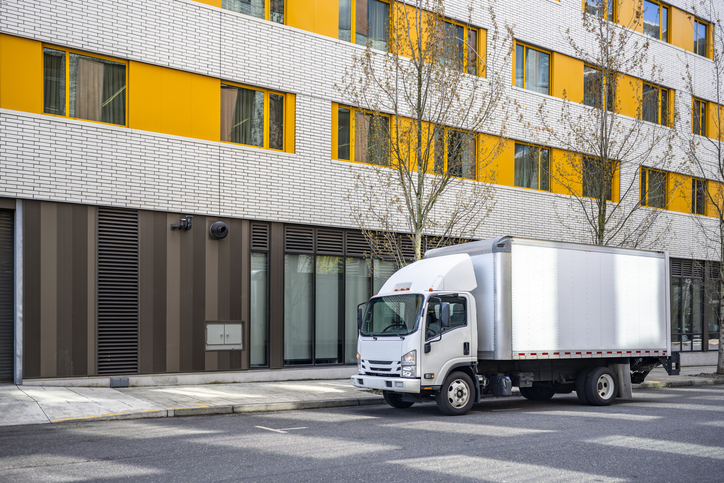
Common access challenges in Pittsburgh and the South Hills include narrow streets where parking a moving truck requires careful planning. In some cases, the truck may not be able to stop directly in front of the house. This can create a longer carry from the truck to the door.
Steep driveways and hills can also affect the process. Movers need a stable footing and a safe path, especially when carrying heavy furniture. A sloped driveway, uneven walkway, or set of exterior steps can slow down the move and increase the need for extra caution.
Older homes may also have smaller doorways, tighter hallways, and narrow staircases. Large sectionals, bedroom sets, dining tables, and appliances may not move easily through these spaces. Even if furniture got into the home years ago, it may have been assembled inside or brought in through a different route.
Row homes, townhomes, and multi-level homes can create additional challenges. Movers may need to carry items through tight entryways, up several flights of stairs, or around sharp corners. In apartment buildings, access may depend on elevator availability, loading areas, parking rules, and building management requirements.
These challenges are common among local movers. They are part of moving in the Pittsburgh area. The key is recognizing them early so the moving plan can account for them.
Access issues can affect nearly every part of moving day. They may seem small at first, but they can cause real delays, additional labor, and increased risk if not addressed in advance.
The farther movers have to carry items, the longer the move usually takes. A short walk from the truck to the door allows the crew to move more efficiently. A long carry from a distant parking spot, across a sidewalk, up outdoor steps, and through a narrow entry can add time to every trip.
Stairs also slow the process. Carrying furniture up or down steps takes more coordination than moving it across a flat surface. Narrow staircases or staircases with turns require even more care.
If movers discover access issues upon arrival, they may need to pause and adjust the plan. That could mean finding a different parking spot, removing doors from hinges, disassembling furniture, or identifying another entry point.
Many moving costs are tied to time and labor. If access issues delay the move, the cost may increase. This is not because anything went wrong. It is because the move requires more work than a straightforward truck-to-door setup.
In some cases, access challenges may require additional crew members, special equipment, or a smaller shuttle vehicle. For example, if a large moving truck cannot safely reach the home, movers may need to use a smaller truck to transport items between the home and the larger truck. That extra planning can be very helpful, but it also affects the scope of the move.
The best way to avoid surprises is to be upfront about access during the quote process. When searching for a “reliable moving company near me”, the right company will ask questions about parking, stairs, entryways, and large furniture before moving day.
Poor access can increase the chance of damage to furniture, walls, railings, floors, and doorframes. Tight corners, narrow halls, low ceilings, and steep steps all require careful handling.
Large furniture is especially important to evaluate in advance. A sectional sofa, oversized dresser, or king-size bed frame may not fit through every doorway or stairwell. Trying to force furniture through a tight space can damage both the item and the home.
Planning gives movers time to decide whether furniture should be disassembled, wrapped more heavily, moved through another entrance, or handled with additional crew support.
Access challenges are often easier to understand through real-world examples. These are the kinds of situations that can change the pace of a move.
One common issue is a truck that cannot park directly in front of the home. This might happen because of narrow streets, parked cars, construction, or limited curb space. Instead of carrying items a short distance, movers may need to walk down the block for every load. That adds time and physical effort.
Another common problem is a sectional sofa that will not fit through the doorway. Sectionals can be awkward due to their shape, depth, and angles. Even when one piece looks manageable, a narrow doorframe or tight interior turn can make it difficult to move safely.
A long carry from the street to the entrance can also affect the day. Some homes have long walkways, exterior stairs, or sloped paths between the curb and the front door. This setup may not seem like a major issue until every box, dresser, mattress, and appliance has to travel that same path.
Tight stairwells in older homes are another frequent challenge. A staircase with a low ceiling, narrow width, or sharp turn may limit what can go upstairs. Movers may need to slow down, adjust their angles, remove legs from furniture, or discuss whether an item can be placed somewhere else.
These situations do not automatically mean a move will go poorly. They mean the move needs a plan.
You do not need to solve every access issue on your own, but a little preparation can make a big difference. Before moving day, take time to look at your home the way a mover would. Think about the path from the truck to the door, then from the door to each room.
Start with parking. If street parking is limited, consider reserving a space in advance. Some neighborhoods or buildings may have rules about moving trucks, loading zones, or temporary parking. If you live in an apartment or townhome community, check with management about move-in and move-out requirements.
Next, measure important spaces. Measure doorways, hallways, staircases, and large furniture. Pay attention to tight turns, low ceilings, and railings. Measurements are especially helpful for sectionals, large dressers, dining tables, mattresses, and appliances.
Clear pathways inside and outside the home. Remove shoes, rugs, small furniture, planters, toys, lawn equipment, and anything else that could slow movers down or create a tripping hazard. In the yard or driveway, trim back anything that blocks the walkway if possible.
Let neighbors know when the move is happening and whether parking or shared access may be affected. This can be especially useful on narrow streets, in duplexes, or in communities with shared driveways.
Finally, talk to your movers about any concerns. Mention steep driveways, stairs, long walks, elevators, narrow doors, and oversized furniture. Ask whether they recommend any special equipment, extra crew support, or a different approach for your situation.
A simple access checklist can include:
Experienced movers know that access is part of the job, especially in Pittsburgh. The difference is that a professional crew knows how to recognize challenges early and adjust the plan.
A professional moving company can evaluate where the truck should park, how furniture should be carried, and which entrance makes the most sense. They may recommend taking apart certain furniture, protecting floors and doorways, or using equipment to make the move safer and more efficient.
For difficult access situations, planning matters just as much as strength. Carrying a heavy item through a tight stairwell is not only about lifting. It requires communication, control, and an understanding of how to protect both the item and the property.
Gardner Moving brings local experience to these situations. Pittsburgh-area moves often involve hills, older homes, narrow streets, limited parking, and multi-story layouts. A mover familiar with these conditions can help identify problems before they become delays.
This is especially important if you are moving during a busy season. Reaching out early gives the moving team more time to understand the property, ask the right questions, and recommend the best plan for the day.
Access may not be the first thing you think about when planning a move, but it can be one of the biggest factors in how the day goes. A short, clear path from the truck to the door can keep things moving efficiently. A long carry, tight staircase, or parking issue can add time, cost, and risk.
For Pittsburgh homeowners and renters, access challenges are common. Narrow streets, steep driveways, older homes, and limited parking are common in many local neighborhoods. These issues do not have to create major problems, but they should be part of the plan.
Before moving day, take time to review the full path your belongings will take. Measure large furniture. Clear walkways. Think about where the truck can park. Share any concerns with your moving company as early as possible.
Planning a move in the Pittsburgh area? Contact Gardner Moving for a quote and let our team help you plan for a smooth, efficient move, no matter the access challenges. Reaching out early gives you more time to prepare, ask questions, and avoid moving day surprises.