Most homeowners begin preparing for a move by packing, organizing, or gathering supplies. While these steps are essential, they often overlook a significant factor that determines how smooth or challenging the move will be: the layout of the home itself.
The layout affects everything—from how easily furniture passes through a doorway to the number of trips required between floors. This is especially true in the South Hills of Pittsburgh, where residential architecture varies widely.
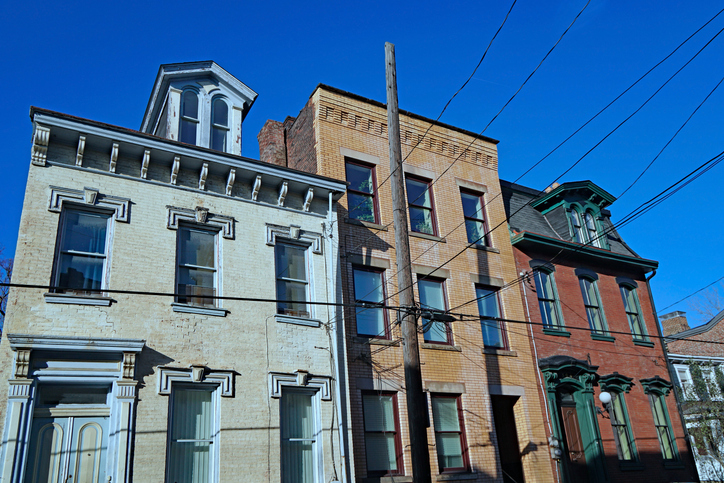
A move within Bethel Park looks very different from a move in Mount Washington or Brookline. Western PA homes reflect decades of construction trends and neighborhood development patterns, resulting in a diverse range of architectural styles, from narrow city row houses to multi-level split-entry homes and open-concept builds in newer suburbs.
Some homes have steep interior stairs. Others have tight entryways or long hallways that aren’t designed for bulky, modern furniture. In older neighborhoods, doorways are often more narrow than today’s standards, while newer homes may have large interior spaces but oversized furniture to match. Each layout introduces different challenges that require planning to navigate safely and efficiently.
Taking time to understand how your home’s architecture influences the moving process helps you make better decisions long before moving day arrives. It also helps reduce stress by setting realistic expectations, choosing the right equipment, and ensuring pathways are clear and safe.
Whether you live in a compact row home or a spacious split-level, architectural features control the flow of the moving process. Movers don’t just transport boxes—they navigate physical constraints that are unique to each home.
Below are the key layout characteristics that influence moving time, safety, and efficiency.
Your home may have multiple points of entry, such as the front door, back door, garage entry, or basement walkout, but not all of them are equally functional for moving. Each differs in width, height, angle of approach, and proximity to parking.
Key questions to consider:
Pittsburgh’s older homes, especially those built before the 1950s, often feature smaller doorways and tight vestibules. Newer suburban homes often feature wider entries, but the immediate interior space may narrow due to the placement of closets, staircases, or load-bearing walls.
Once inside, the flow of the home affects how easily movers can transport items from room to room.
Considerations include:
In Western PA, many homes have staircases that are steeper than modern building standards, especially in compact row houses or older two-story properties. Split-level homes often feature low ceilings above the stairs, and colonial-style homes may have narrow hallways connecting bedrooms.
Large, modern furniture often doesn’t align with the scale of older Pittsburgh homes. Bulky sectionals, king-size mattresses, and tall dressers might require disassembly or rerouting.
Examples of common conflicts include:
Modern living trends have shifted toward larger, multi-use furniture pieces, which can create complications when moving into or out of older or uniquely shaped homes.
The layout plays a significant role in safety—not only for movers but also for homeowners assisting with the process.
Hazards include:
These factors make communication and preparation even more critical.
Every staircase adds time to the move. Homes with several levels, particularly row houses or multi-story properties, require more carrying labor. Split-level homes also contribute to increased travel because items must move up or down as soon as they cross the threshold.
Understanding the relationship between layout and time helps homeowners set realistic timelines and expectations.
Split-level homes are among the most recognizable residential styles in the South Hills, particularly in communities such as Bethel Park, Upper St. Clair, South Park, and Cranberry Township. These homes feature a central entry landing with immediate access to half-staircases going up or down, which is great for everyday efficiency, but creates challenges when moving into or out of the space.
The small landing area means movers must choose a direction right away. Large furniture requires fast and precise angling, which can be difficult in a limited space.
Split-level staircases are often only wide enough for standard furniture, meaning:
These items may require manual adjustments or temporary disassembly for proper operation.
Many split-entry homes have sloped or compact stairwell ceilings that reduce the vertical clearance needed to tilt or rotate larger items. This is especially common in 1970s-era builds throughout the South Hills.
Bedrooms, home offices, and full bathrooms often sit on a middle level, accessible only via stairs. This results in:
The layout often requires careful step-by-step movement to avoid collisions with trim or walls.
Group boxes, décor, and furniture are based on the level from which they originate. This reduces the need for repeated trips up and down stairs.
Many split-level homes have a wide garage entry door that leads directly into a finished lower level. This entry often provides the best clearance for large pieces of furniture.
This step saves time and prevents unnecessary rerouting.
Walk the pathway without carrying anything. Note where:
This helps determine the safest and most efficient course of action.
Row houses are common in dense Pittsburgh neighborhoods, such as Mount Washington, South Side, Brookline, Dormont, Beechview, and the older boroughs bordering the South Hills. These homes share architectural traits that make moving more complicated than in wider suburban homes.
1. Narrow Front Doors and Small Foyers
Row houses often have front doors as narrow as 30–32 inches in width. Many open directly into the living room or a narrow hallway with no additional maneuvering space.
2. Steep and Straight Staircases
Many row houses have steep, straight staircases that rise quickly without large landings, limiting the angle at which movers can lift or pivot furniture.
3. Vertical Multi-Level Layouts
Many row homes include:
Moving between these levels requires stamina and careful footwork.
4. Minimal Quasi-Private Exterior Space
Row houses frequently lack:
Street parking often requires carrying items down sidewalks or alleys.
Expect that some items may need to be carried farther than in suburban settings. Consider using dollies or straps for longer carries when possible.
Some homes have secondary doors accessed through alleys or shared yards. These may offer better angles or wider openings.
Due to narrow entries, disassembly is often necessary. Items frequently requiring breakdown include:
Older railings may not be as securely fastened as modern ones. Use slow, controlled movements to avoid pressure that could cause damage.
Many row houses have original flooring and plaster walls. Using padding, floor runners, and corner guards protects these older materials from wear or accidental impact.
Many newer homes in Robinson, Wexford, North Fayette, and surrounding suburbs feature open floor plans. These homes eliminate interior walls to create large combined living, kitchen, and dining spaces.
While open plans can simplify the moving process, they also introduce unique factors to consider.
1. Wide, Unrestricted Pathways
The absence of long hallways or narrow doorframes makes it easier to maneuver large pieces through the main living areas.
2. Plenty of Staging Space
Movers can create organized piles of:
This can often be done without overcrowding, keeping things moving smoothly.
3. Easy Movement Between Rooms
Large, open areas allow movers to shift angles and reposition items without needing to navigate tight bends.
1. More Large Furniture to Move
Open layouts often encourage homeowners to purchase:
These items are heavier and require more planning to bring into the home.
2. Heavy Multi-Section Furniture Pieces
Modular sofas and extended recliners often require disassembly or multiple people to move safely.
3. Fixed Kitchen Islands That Block Routes
In some open layouts, a large kitchen island may restrict access to certain pathways. This can require movers to walk longer routes around the home to reach doors or hallways.
4. Long Distances on Hard Flooring
Hardwood, laminate, and tile floors require protection during prolonged periods of carrying. Floor runners or temporary coverings help prevent scratches or wear.
Pittsburgh has a significant inventory of older homes built in the early 20th century or earlier. These homes, found throughout South Hills neighborhoods such as Mt. Lebanon, Carnegie, and Bridgeville, often feature architectural details that impact moving efficiency.
Features That Create Moving Challenges
Some older homes have attic conversions that can only be accessed by steep steps or narrow openings.
Western PA basements often include:
These features make it challenging to move washers, dryers, or large storage items.
Furniture today is bigger and bulkier. Older homes were designed around lighter, smaller items, making some doorways difficult to navigate.
Plaster walls chip more easily than drywall. Even light bumps can cause damage.
Take precise measurements of:
Compare these measurements to the dimensions of your furniture.
Plan the movement of major items in a step-by-step manner. Identify where pieces need to be tilted, lifted, or pivoted to achieve the desired position.
Padding helps protect both furniture and interior surfaces.
Consider Using Alternate Entry Points
Older homes often have:
These entry points may offer better angles or wider openings.
Setting up your home in advance makes a significant difference in how efficiently movers can work.
Remove anything that may obstruct movement, such as:
If needed, remove interior doors to give movers a few extra inches of space.
This step minimizes the chance of scuffs, chips, or scratches.
Instead of generic labels like “Bedroom,” specify:
This ensures that movers know exactly where items belong.
Inform movers about:
By ensuring clear and open communication with your movers about your layout challenges, they can prepare to navigate them safely and efficiently.
When to Consider Professional Movers for Difficult Layouts
Some layouts are straightforward for DIY moves, while others may benefit from the assistance of professional movers.
Professionals understand how to handle these challenges while maintaining safety. Without proper training or equipment, you risk damaging the home or its contents, or even injuring yourself during the moving process.
Hiring professional movers does more than save time—it protects your health, your belongings, and your home.
Lower Risk of Injuries During Lifting
Movers are trained to lift heavy, awkward items using proper techniques, reducing the chance of back strains, pulled muscles, or accidental drops.
South Hills homes often involve multiple levels. Movers rotate tasks, use professional equipment, and maintain a steady pace, preventing fatigue-related accidents common in DIY moves.
A coordinated crew can pack, load, and move belongings far more efficiently than a household working alone, often completing in hours what might take others a full day or weekend.
Older homes with narrow hallways, tight turns, or small doorways require careful maneuvering. Movers use protective padding and proven techniques to avoid dents, scrapes, or damage.
Local movers understand the area’s steep driveways, split-level layouts, and limited street parking. Their familiarity helps prevent delays and ensures a smoother, safer moving day overall.
Every home style comes with its own set of considerations. Split-level homes require thoughtful planning around stair placement. Row houses demand strategies for narrow entries and steep steps. Open floor plans simplify certain movements while complicating others with oversized furniture and long paths. Older Pittsburgh homes require careful measurement and protection.
By understanding how your home’s architecture influences the moving process, you can create a safer, smoother, and more efficient plan.
Moving in the South Hills comes with its own unique challenges—from steep driveways and narrow streets to unpredictable weather and varied home layouts. But with the right planning, you can turn what feels overwhelming into a streamlined, stress-free experience. Every home layout is different, but preparing ahead makes the entire process safer and more predictable.
Whether you’re navigating tight stairwells in Mt. Lebanon, coordinating elevator access in a South Fayette apartment, or planning for oversized furniture in Upper St. Clair, having a plan in place ensures moving day goes smoothly.
At Gardner Moving, we’re here to help you make informed decisions from the start. Our team understands the local neighborhoods, the common hurdles, and the best strategies to keep your belongings protected. When you’re ready for a moving company that treats your home with care and respects your time, we’re here to make the transition as easy as possible.
Ready to take the next step? Contact Gardner Moving today to schedule your move and get expert guidance tailored to your home, your timeline, and your needs.